Buying Or Selling In Paradise? How To Navigate Fire Risk
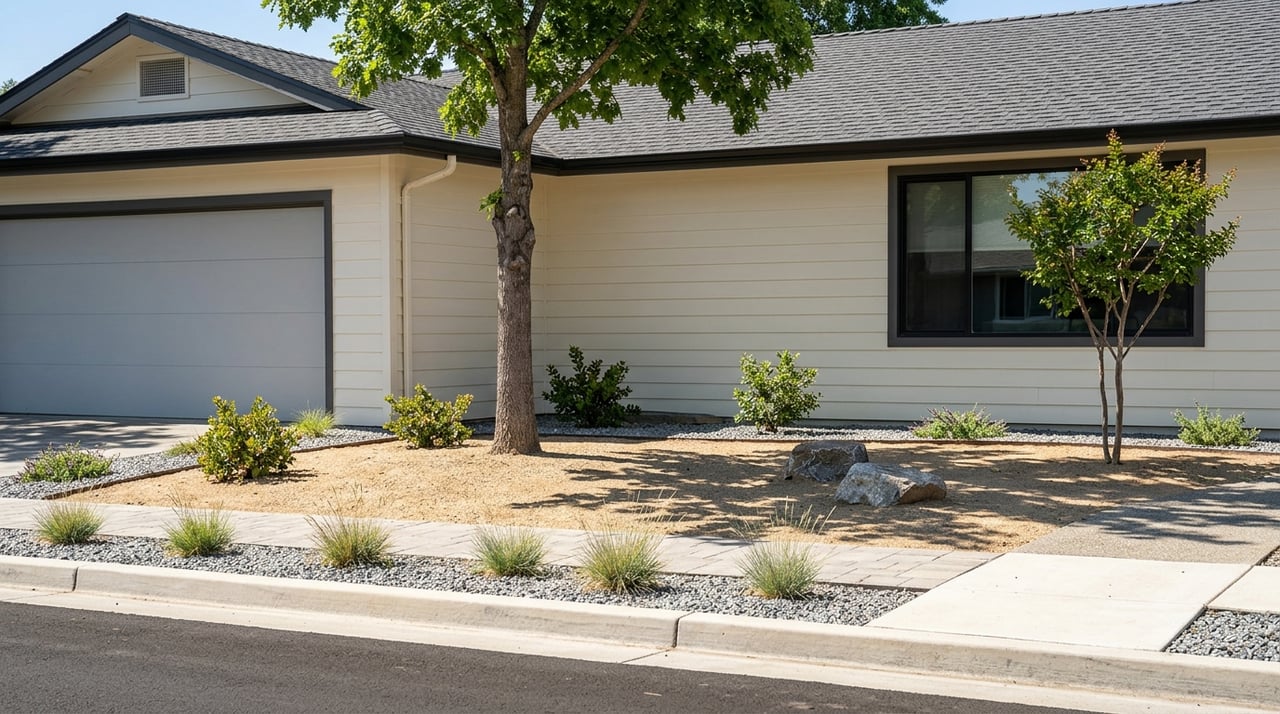
If you are buying or selling in Paradise, fire risk is not just a background concern. It can affect inspections, insurance, escrow timing, and whether a transaction moves forward smoothly. The good news is that with the right questions and a clear plan, you can prepare for these steps early and avoid common delays. Let’s dive in.
Paradise remains in a very high fire hazard severity zone, and the Town of Paradise treats fire prevention and defensible space as central parts of living in the wildland-urban interface. The town also uses named evacuation zones for emergency planning, with Paradise divided into 14 zones. You can review the Town’s fire resources and safety guidance on the Paradise fire information page.
For you as a buyer or seller, that means wildfire readiness is part of the real estate process. It is not just about long-term maintenance. It can directly affect inspections, required clearances, insurance options, and the timing of closing.
In Paradise, wildfire preparation is a linked set of steps rather than one single repair item. A property may need defensible space clearance, wastewater clearance if there is a standing home, and confirmation that there are no open citations, liens, or unpaid fees that could hold up a required certificate.
The Town requires a certificate of compliance showing the parcel is not in violation before ownership transfer. According to the defensible space and hazardous fuel management clearance requirements, that certificate is valid for 90 days from the inspection date and may be used to open escrow without an extra fee. If timing slips, that expiration window can matter.
If you are planning to sell, it helps to start early. Waiting until you are under contract can create avoidable pressure, especially if the property needs cleanup or if there are outstanding issues on file.
Start with these steps:
The Town notes that open citations, liens, or fees can delay certificate issuance. That is one reason sellers in Paradise benefit from treating fire readiness as a pre-listing task, not a last-minute escrow item.
If you are buying in Paradise, ask early whether there is a current passing defensible space certificate and whether it will still be valid by closing. Since the certificate lasts 90 days from inspection, the answer can change depending on the timeline.
You should also ask whether the property has any unresolved compliance issues. A home can look well maintained at first glance, but paperwork issues may still affect the transfer process.
Paradise has a detailed clearance standard, and the current checklist gives buyers and sellers a practical framework for what inspectors are looking for. You can review the Town’s current defensible space clearance inspection checklist.
Some of the key items include:
The state also frames defensible space in three zones. The California Board of Forestry defensible space guidance identifies Zone 0 as the first 5 feet around the home, Zone 1 as 5 to 30 feet, and Zone 2 as 30 to 100 feet. For many Paradise properties, that first 5-foot area is especially important because it is designed to reduce ember exposure near the structure.
The Town says there are no penalties if the required clearance is completed by the date in the notice. However, if a property remains out of compliance, it can lead to administrative citations, fines, or forced abatement. You can find that guidance on the Town’s vegetation management map and enforcement page.
From a transaction standpoint, the bigger issue is usually delay. If cleanup is needed, or if open issues must be resolved before a certificate can be issued, escrow can become more complicated than expected.
Defensible space is only part of the picture. Buyers should also look closely at the home itself, especially if it was rebuilt, renovated, or marketed as fire-conscious construction.
Paradise’s 2025 WUI checklist highlights current guidance for stick-built and manufactured homes. Some of the most important items to review include:
CAL FIRE’s home-hardening guidance aligns with many of these recommendations. It also emphasizes roof and gutter debris removal, gutter guards, noncombustible fence transitions at the house, and clear driveway or access-road conditions for emergency access.
Insurance is one of the most important parts of buying or selling in Paradise, and it should come up early in the process. California’s insurance market remains tight, and that affects high-risk areas in very practical ways.
The California Department of Insurance reported in its sustainable insurance strategy market snapshot that the state had 555,868 FAIR Plan policies in March 2025. FAIR Plan exposure continued to grow, with 684,388 policies in force and $750 billion in total exposure reported by March 2026.
Local numbers show why this matters in Paradise. According to local FAIR Plan county and ZIP code data, Butte County had 9,392 FAIR Plan policies as of September 30, 2025, and ZIP code 95969, which includes Paradise, had about $1.96 billion in total FAIR Plan exposure.
The FAIR Plan is California’s insurer of last resort. The FAIR Plan application guidance explains that its dwelling policy is a basic fire policy with named-peril coverage only, and many customers need supplemental Difference in Conditions, flood, or earthquake policies for broader protection.
That does not automatically mean every buyer in Paradise will need FAIR Plan coverage. It does mean you should have a real insurance conversation early, ideally before your timeline gets tight. Buyers should confirm whether they can secure traditional homeowners insurance or whether they may need FAIR Plan coverage plus supplemental policies through a licensed broker.
One common misconception is that a fire hazard map directly sets insurance prices or availability. The California Department of Insurance says that is not how insurers make those decisions.
In its bulletin on hazard maps and insurance rates, the department states that CAL FIRE hazard maps do not determine insurance rates or availability. Insurers use wildfire catastrophe models instead. The same guidance also notes that mitigation efforts and Zone Zero-related discounts are intended to support lower costs and better insurability for homes that reduce wildfire exposure.
Safety planning is also part of the due diligence conversation. Buyers should know which evacuation zone a property is in and whether household members understand the zone number and backup routes.
The Town provides a tool to find your Paradise evacuation zone. Since Paradise is divided into 14 zones, this is a useful detail to confirm before you close, not after you move in.
If you want a smoother transaction in Paradise, focus on these questions early:
When you address these items upfront, you reduce surprises later. That is especially important in a market like Paradise, where wildfire readiness can influence both day-to-day safety and the path to closing.
Buying or selling in Paradise comes with a different set of questions than many other markets, but that does not mean the process has to feel overwhelming. When you understand defensible space rules, review fire-hardening features, and start the insurance conversation early, you put yourself in a stronger position to move forward with confidence.
If you are planning a move in Paradise or anywhere in the Sierra Foothills, working with a local team that understands the process can make all the difference. Connect with Upside Real Estate (CA) for thoughtful guidance tailored to your goals.
Stay up to date on the latest real estate trends.


You’ve got questions and we can’t wait to answer them.