Chico First-Time Homebuyer Guide to Neighborhoods
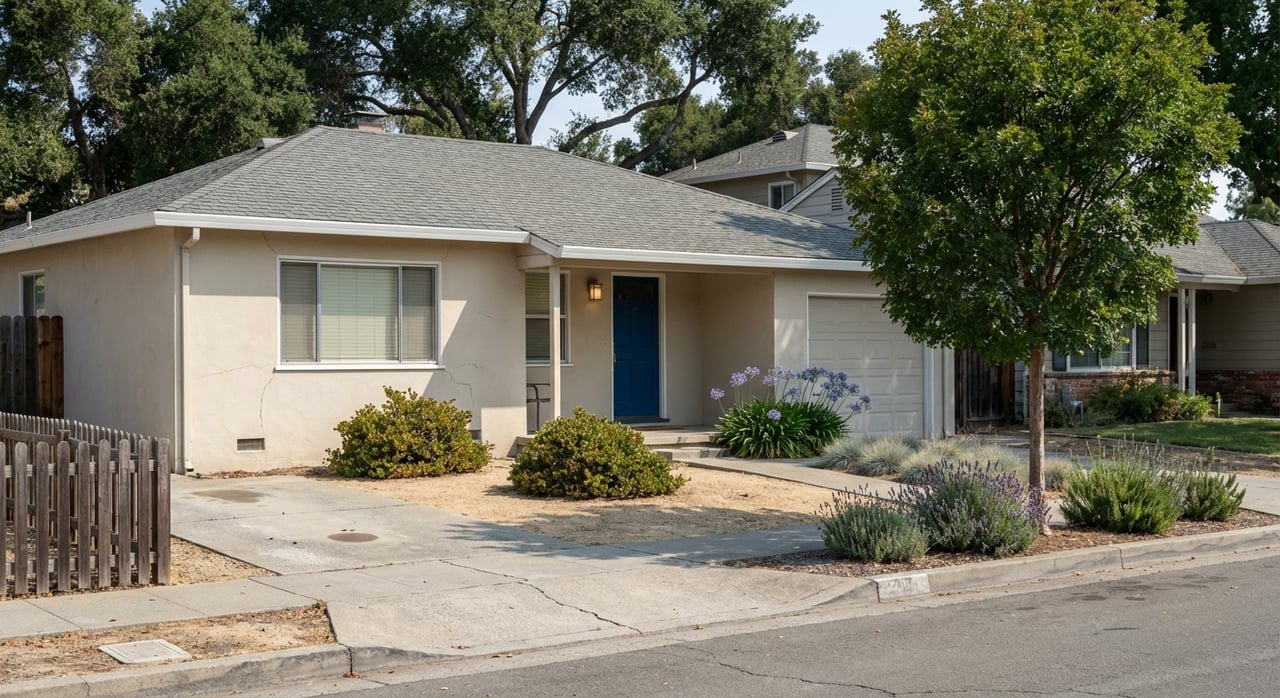
Buying your first home in Chico can feel exciting and a little overwhelming. You want the right mix of price, parking, quiet, and access to parks or downtown, without second-guessing your choice a month after you move in. This guide breaks down starter-friendly neighborhoods, real price bands you can expect, and a simple plan to shop with confidence. You will also learn how CSU Chico’s student population shapes certain areas so you can match your lifestyle to the right location. Let’s dive in.
Chico’s citywide median home value sits in the mid-400s as of early 2026 based on major housing portals that track local sales and value indexes. Month-to-month shifts can be choppy by neighborhood, so use these figures as guideposts rather than hard targets. A quick local MLS check will show what your exact budget can buy on the block you like.
For first-time buyers, entry-level options often include older 1–3 bedroom single-family homes, small bungalows, duplexes, condos, or townhomes. On the low end, you may see fixers and some condos or duplex units in the mid-200s to mid-300s depending on the area. Broadly move-in-ready homes and many units in high-demand neighborhoods sit in the 350k to 550k band. Your comfort with renovation, HOAs, and proximity to campus can open up more choices.
The Avenues offers older bungalows and Craftsman-era homes with sidewalks and a short hop to downtown. Portals often show this area’s medians in the mid-400s, with block-by-block variation based on condition and lot size. HOAs are rare for detached homes, but you will see them in some condo or townhome complexes.
Parking is usually straightforward with driveways and garages. You are close to downtown energy without being on the most student-heavy blocks. If you want character, a yard, and walkability, this area can be a strong fit.
Mulberry and the Barber District include many modest, older homes, plus small lots and fixers. Listings here often show some of the city’s more affordable prices, including examples in the low-to-mid 200s up through the 300s, depending on condition and location. Some pockets have higher renter shares and turnover.
This area can fit you if price is your top priority and you are open to light or full renovation. Walk the blocks you like at different times of day and talk to neighbors about turnover and parking so you know what to expect.
South Campus sits right next to CSU Chico and is known for small multi-unit buildings, student rentals, and shared-house setups. Pricing on small homes or duplexes can look attractive, but owner-occupants should plan for more turnover around the academic calendar and a busier street feel. You will see many 3–4 bedroom rental listings geared to students, which signals strong seasonal demand.
Parking can be tight and on-street rules matter. Expect more nightlife and weekend activity here. This area can work if you want to live near campus and you are comfortable with a lively environment, or if you plan to buy a property with rental income potential and understand local rules for landlords.
California Park is a planned community on the east side with lakes, paths, and a wide range of single-family homes and some age-targeted sections. Prices vary by build year and location near the water, with a general band from the mid-300s to the mid-500s for many properties. HOAs are common and fund shared amenities, with annual totals that can reach into the thousands for certain condo or age-targeted units.
If you want newer construction, trails, and community amenities, put California Park on your list. Plan time to review HOA rules and budgets so the fee and lifestyle fit your plans.
Core downtown and nearby Chico Vecino blocks mix condos, small homes, and walkable streets. Condos and townhomes here can range from smaller, more affordable units to larger, higher-priced options with premium finishes. The draw is quick access to restaurants, culture, and short commutes.
Parking and nightlife noise are the key tradeoffs. If you prioritize walkability and are fine with occasional evening activity, downtown living can be a strong value.
Chico State enrolled about 14,800 state students in Fall 2025, which is large relative to the city and shapes demand near campus. You can view enrollment context in the university’s Fact Book for a sense of scale and seasonality. Check the latest figures in the CSU, Chico Fact Book.
Renter shares are highest close to campus. For example, ZIP 95926, which includes much of the downtown and campus-adjacent area, reports roughly 58 percent renter-occupied housing. That helps explain the larger multi-family share and faster turnover in those blocks. See renter and housing mix context at ZIP 95926 summaries.
Parking near campus is limited and permit-controlled on weekdays. If you plan to live or work near downtown or the university, review Chico State Parking Services for permit rules and options. Many residents choose to bike or walk because campus access is strong.
Cities with large student populations often coordinate nuisance and party enforcement between local police and campus police. Chico has a history of targeted enforcement in high-complaint areas. For background on how communities address party enforcement models, review this overview from PREV.org and contact the City of Chico or Chico Police for current rules.
Safety varies by block and evolves over time. Aggregated sources show Chico’s combined crime rate can come in higher than national medians in some measures. Use block-level resources, talk with neighbors, and check area trends through crime overviews for Chico to inform your decision.
Before you tour homes, list your non-negotiables:
With your list in hand, you can quickly focus on two or three areas. For example, if you want character homes and a yard with bikeable access to downtown, look at The Avenues. If you want a planned setting with trails and newer homes, explore California Park. If price is the top factor and you can handle projects, scan Mulberry and Barber first.
Get pre-approved and set your true monthly budget. Include mortgage, taxes, insurance, HOA dues, and a maintenance line item. Chico’s median sits in the mid-400s, but your monthly comfort controls your search.
Pick a property type that fits your life. Condos and townhomes can reduce the purchase price but come with HOA rules and fees. Small single-family homes offer more privacy and parking. Duplexes or small multi-units can pair owner-occupancy with rental income if you are ready for landlord duties.
Do HOA homework early if the home is in an association. Ask for the full resale packet, including CC&Rs, budgets, meeting minutes, litigation disclosures, reserve studies, and current assessments. The Davis-Stirling Act governs disclosure and homeowner rights in California, so review guidance like this plain-language overview on HOA rights and resale packets.
Align neighborhoods with your lifestyle checklist. Test parking on weeknights, listen for noise, and time your commute. If you are near campus, scan rental listings to understand seasonal turnover patterns; late summer is busy. A quick browse of student-oriented buildings, like the examples shown on South Campus rental listings, can help you gauge demand and rhythms.
Weigh taxes and carrying costs by address. California’s Proposition 13 sets a base rate near 1 percent of assessed value, with local bonds and assessments added on. Ask your lender to model taxes and insurance in your monthly number, and review county guidance such as this Butte County property tax overview.
Check safety and nuisance context. Use block-level crime resources and talk to neighbors. If you plan to rent a portion of the home, confirm city rules on occupancy and landlord responsibilities. For a high-level view, see crime overview resources for Chico and call non-emergency lines with address-specific questions.
Evaluate resale factors. Campus-adjacent neighborhoods offer predictable rental demand but higher churn. Areas near parks or with newer construction often have broader long-term appeal. Ask for a 6–12 month comp set in your target neighborhood.
Plan your offer strategy. In a market with mixed signals by month, your approach should reflect days on market, recent price reductions, and property condition. Keep inspection timelines clear, and budget for immediate repairs if you are buying an older home or a fixer.
Chico offers a wide range of starter options, from walkable historic streets to planned communities with trails and lakes. The key is to match your must-haves to the right pocket, understand how the campus shapes nearby blocks, and price in real monthly costs before you fall in love with a house. With a focused plan, you can buy with confidence and enjoy the community that fits your life.
If you want a local, hands-on guide to compare neighborhoods and build a smart offer strategy, reach out to Upside Real Estate (CA). We will help you narrow your short list, review HOA packets and disclosures, and negotiate with clarity so your first home in Chico feels like the right move.
Stay up to date on the latest real estate trends.


You’ve got questions and we can’t wait to answer them.