Buying A Small-Acreage Home In Durham: Key Considerations
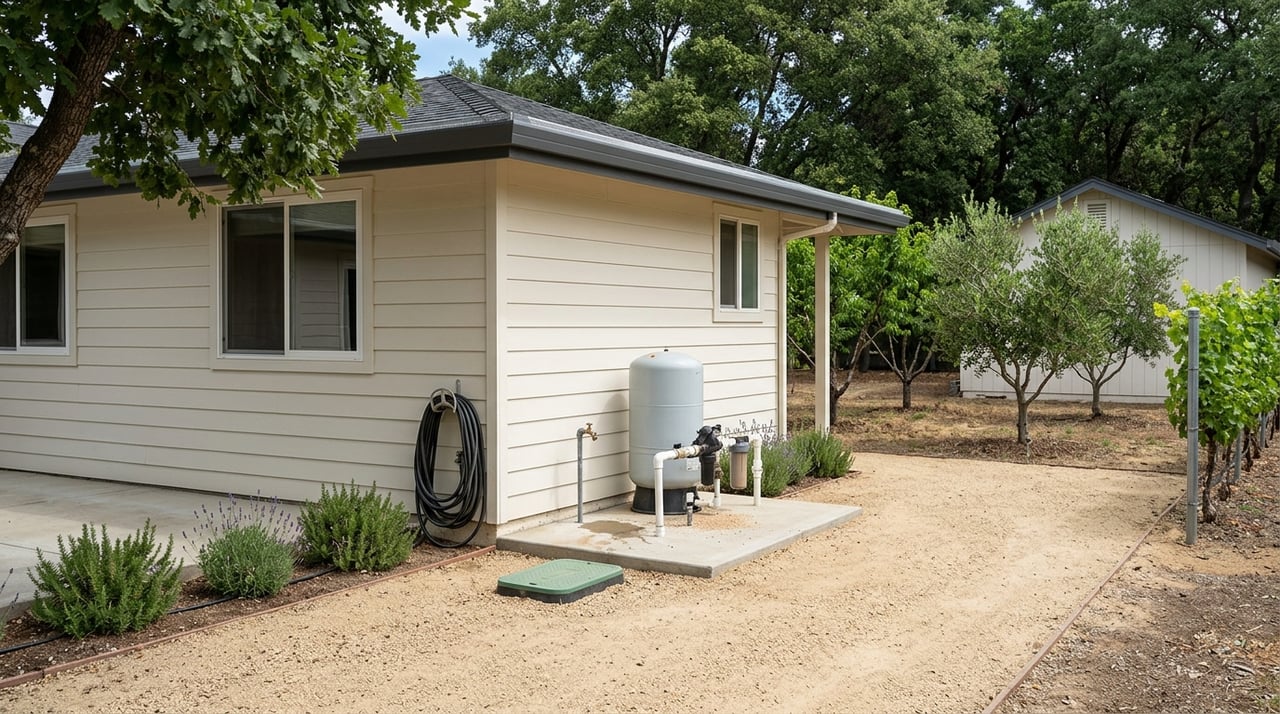
If you are dreaming about a little more space in Durham, it is easy to focus on the house, the views, or the idea of having room to spread out. But with a small-acreage property, the land can shape your day-to-day life just as much as the home itself. Before you buy, it helps to understand how zoning, water, septic, agricultural activity, and maintenance can affect how a property actually functions. Let’s dive in.
In Durham, small-acreage homes are typically in unincorporated Butte County. That means county zoning, permitting, and parcel tools are some of the first places you should check when you are evaluating a property.
Butte County parcel tools can help you confirm a property's general plan, zoning, FEMA flood zones, State Responsibility Area, and Williamson Act status at the APN level. That matters because acreage alone does not tell you what you can do with the land, what restrictions may apply, or what added costs you may take on.
Before you get too attached to a property, confirm the APN and review the parcel details through county tools. On some rural properties, an APN search may be more reliable than a street address.
Nearby parcels in and around Durham can fall into agricultural, rural residential, or foothill residential categories. Those designations can carry different minimum parcel sizes and different allowed uses, so it is smart to verify the actual zoning instead of making assumptions based on appearance.
If a parcel is near agricultural land, you should also ask whether agricultural buffer rules apply. Butte County states that a 300-foot buffer is required between residential dwellings and agricultural uses, subject to unusual-circumstances review.
That can affect where structures sit on the parcel and how a property feels in practice. A lot may look open and flexible at first glance, but the usable area may be shaped by rules you need to understand before moving forward.
One of the biggest mindset shifts for buyers coming from more suburban neighborhoods is learning what life near active agriculture can include. Butte County's Right to Farm Ordinance protects properly conducted agricultural operations on agricultural land from nuisance claims.
The county also requires disclosure to buyers and owners near agricultural land. That disclosure warns you to expect possible noise, odors, dust, smoke, insects, nighttime machinery, manure handling, and fertilizer or pesticide applications.
This does not make a property better or worse on its own. It simply means you should go in with clear expectations about the setting and the rhythms of nearby agricultural activity.
Water is one of the most important pieces of rural due diligence. In Durham, a home may be served by the Durham Irrigation District or by a private well, and the difference matters.
The Durham Irrigation District serves the unincorporated Durham area and says it provides domestic and irrigation water from district wells through a piped distribution system. The district's current service area is 489 acres with about 470 connections.
If a property appears to be in district service, do not assume service automatically transfers with the parcel. The district says property must be annexed before receiving water service unless the board approves an exception.
The district also notes that non-contiguous parcels, parcels outside district boundaries, or parcels with unusual conditions may require extra review, special conditions, easements, or pipeline-extension costs. That is why one of the best early questions to ask is whether the parcel is already served and whether any added steps or costs apply.
If the property uses a private well, Butte County Environmental Health is the local permitting authority. The county says wells must be drilled and constructed under permit, and construction, alteration, or destruction work must be done by a licensed C-57 Water Well Contractor.
The county also states that well owners are responsible for ongoing maintenance and water testing. Its guideline is to test bacteria at least twice a year, VOCs and pesticides every three to five years, and nitrates and metals every five years through a State-certified laboratory.
When you are buying, it is wise to review the well permit, pump history, and available lab testing records. A beautiful parcel feels very different if you later discover the water system needs major attention.
If a small-acreage home is on septic, do not rely on a standard home inspection alone. Septic and wastewater systems need their own review.
Butte County Environmental Health is the local permitting authority for on-site wastewater treatment systems. The county ordinance requires a site evaluation before a construction permit on every existing or proposed lot unless that requirement is waived.
A site evaluation can include slope, soil texture, effective soil depth, horizontal setbacks, available replacement area, and, when needed, percolation testing or groundwater monitoring. In other words, the land itself plays a major role in whether a system is workable and what future repairs may look like.
The county also says that operating permits can apply to pressure-distribution or supplemental-treatment systems. Some permit conditions run with the land, and a seller of a parcel with an approved operating permit must notify Environmental Health of the transfer.
For a septic property, ask to review:
This is especially important on rural parcels because replacement options may be limited by soils, setbacks, or available area.
Owning a small-acreage property often means more independence, but it also means more upkeep. Beyond the house itself, you may be responsible for vegetation control, irrigation-system upkeep, drainage, fencing, road access, and general land maintenance.
Those tasks are manageable when you expect them. They can feel overwhelming when you budget only for the home and forget about the land.
Wildfire readiness should be part of your buying decision in Butte County. CAL FIRE says 100 feet of defensible space is required by law, and Butte County wildfire standards call for annual maintenance of defensible space in development plans and permits.
If a property has mature vegetation, outbuildings, fencing, or a long driveway, ask yourself how much seasonal work it will take to maintain that space. The answer can affect both your time and your long-term ownership costs.
On rural parcels, access improvements can be easy to overlook. Butte County says driveways, culverts, fences, pipes, and other work in county right-of-way require an encroachment permit.
That matters if the property has a long driveway, roadside drainage work, or existing improvements near the road. The county notes that permit work is typically inspected before construction and again at final inspection, so it is worth confirming whether past work was properly handled and what future work may require.
Some buyers are surprised to learn that a parcel may be under a Williamson Act contract. In Butte County, those contracts can limit use, subdivision, and separate sale, and non-compliance can lead to serious consequences.
Because county parcel map tools can show Williamson Act properties alongside zoning and other overlays, this is one of the easiest items to verify early. If a property is under contract, you will want to understand how that fits with your plans before you move ahead.
If you are considering a small-acreage home in Durham, keep this checklist handy:
Buying a small-acreage home in Durham can be a great fit if you want more privacy, flexibility, and room to breathe. The key is making sure the property supports the way you want to live, not just the way it looks in photos.
That is where local, parcel-level guidance really matters. When you understand the zoning, water source, wastewater setup, agricultural context, and maintenance obligations before you buy, you can move forward with a lot more confidence.
If you are exploring rural or small-acreage homes around Durham, working with a local team that understands these details can save you time, stress, and expensive surprises. Connect with Upside Real Estate (CA) to get practical guidance on Durham properties and the local factors that matter most.
Stay up to date on the latest real estate trends.
ADU
You’ve got questions and we can’t wait to answer them.