Oroville Neighborhoods And Home Styles Explained
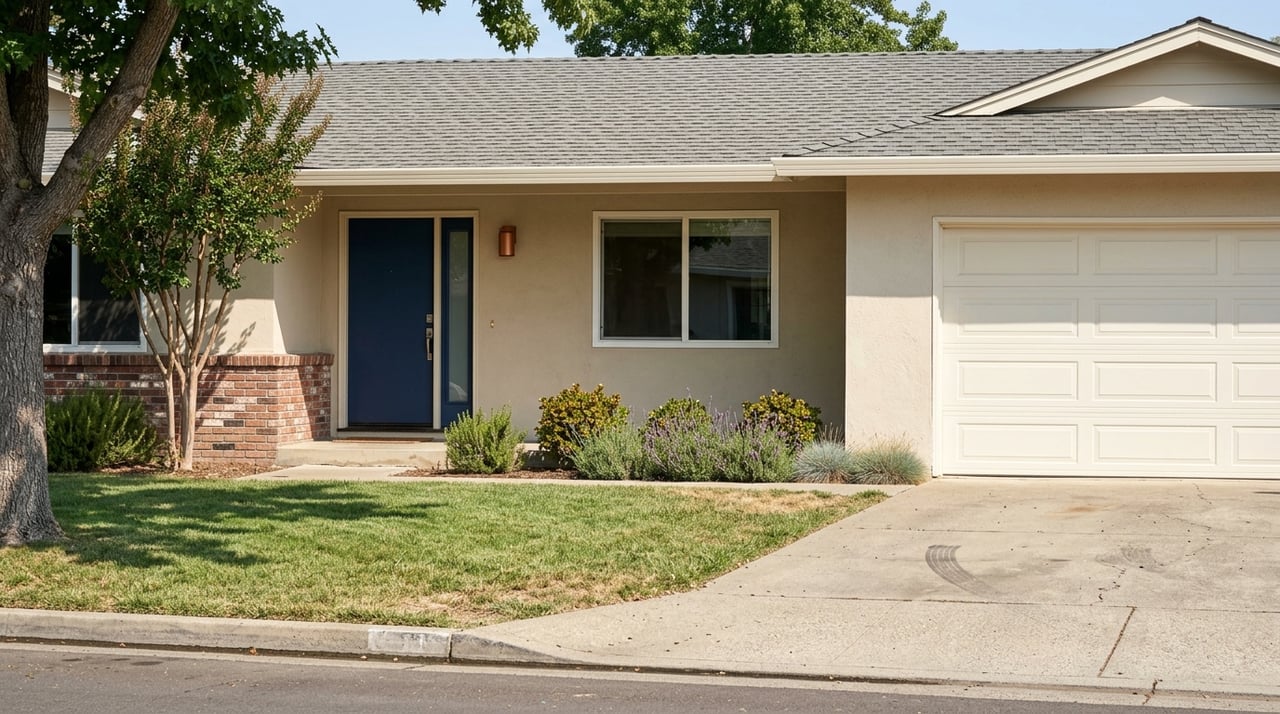
Thinking about buying in Oroville and wondering why one home sits on a compact in-town lot while another comes with hillside views or acreage? That mix is a big part of what makes Oroville different from many nearby markets. If you understand how the city’s geography, housing stock, and zoning shape each area, you can narrow your search faster and make more confident decisions. Let’s dive in.
Oroville packs a lot of housing variety into a relatively small city. The city covers about 13 square miles where the Sacramento Valley meets the Sierra Nevada foothills, so the land changes noticeably as you move from flatter areas to the east side’s urban-wildland edge.
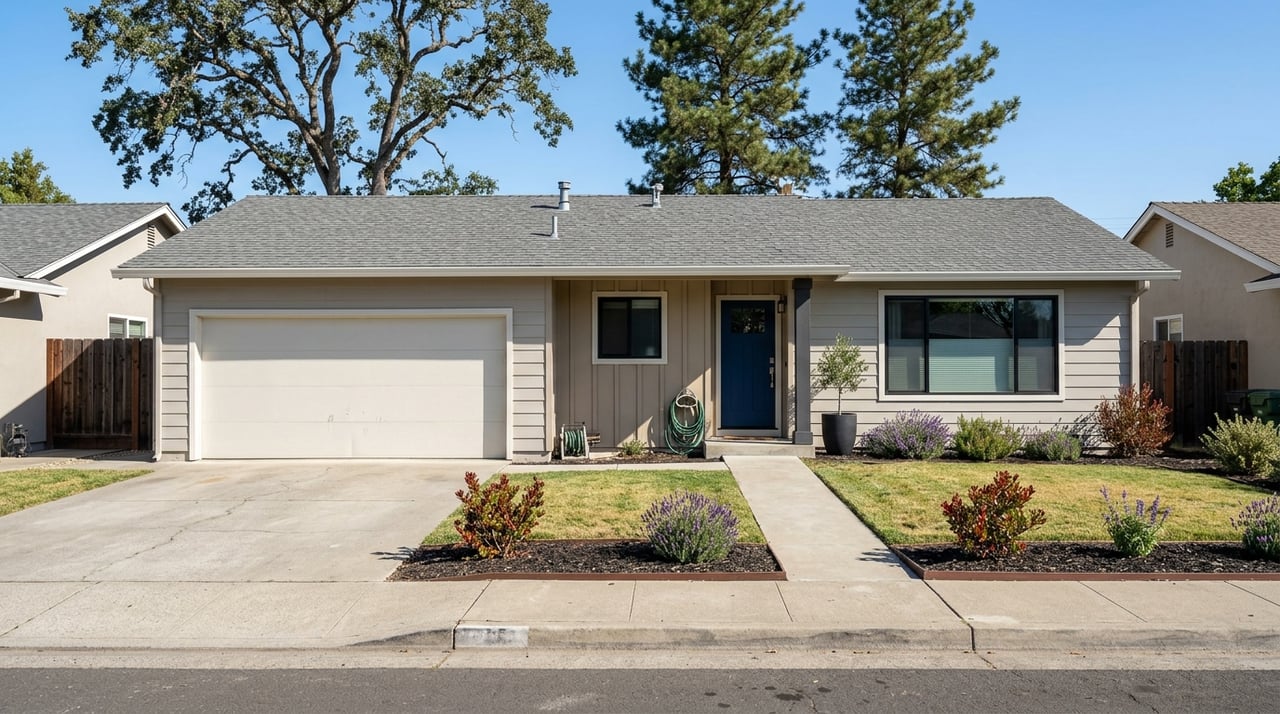
That setting helps explain why Oroville does not feel like a one-style market. According to the city’s 2022 to 2030 Housing Element, 53.5% of housing units were single-family detached in 2021, with the rest spread across attached homes, small multifamily properties, larger multifamily buildings, and mobile homes.
Age also plays a major role in what you will see. About three in four homes in Oroville were built before 1980, including 25.9% built in 1949 or earlier and 48.4% built from 1950 to 1979. For you as a buyer, that often means more established neighborhoods, more architectural variation, and more homes where condition and updates can differ from one property to the next.
For context, the city’s 2025 population estimate was 20,451, with 6,976 households. The 2020 to 2024 owner-occupied housing rate was 53.0%, the median value of owner-occupied housing units was $311,600, and median gross rent was $1,093.
If you want the most walkable part of Oroville, start with downtown and the surrounding historic core. The city describes downtown as the historic commercial center plus nearby historic residential neighborhoods, with tree-lined streets, older buildings, and a walkable, densely populated pattern.
This part of Oroville is where you are most likely to find the city’s older character homes. The city points to historic resources like the C.F. Lott Home, a Victorian Revival mansion built in 1856, which supports the broader pattern of Victorians, older cottages, bungalows, and other historic-era homes in and around the core.
Rather than a uniform tract-home feel, intown Oroville tends to offer a more mixed streetscape. One block may include an older cottage, while another may have a larger historic home or a small infill property on a compact lot.
Inner-city Oroville also stands out for lot variety. The city’s zoning code includes urban residential districts with minimum lot areas as small as 2,000 square feet in R-4 and 2,200 square feet in R-3, while standard R-1 interior lots require 5,000 square feet.
That range helps explain why some neighborhoods near downtown feel tighter-knit and more urban than other parts of the city. In practical terms, you may see smaller parcels, homes placed closer together, and a street layout that supports quick access to daily errands and local destinations.
The Downtown Historic Overlay adds another layer. Its purpose is to preserve historic buildings, maintain different architectural styles, and allow housing types that keep the traditional feel of downtown neighborhoods.
Some older in-town areas do not line up neatly with today’s lot standards. The city’s zoning code gives South Oroville special treatment for some existing R-1 lots that do not meet current minimum area rules, which suggests that parts of this area include older, smaller, or more irregular parcels.
That matters when you are comparing homes. Two properties that look similar online may sit on very different lots from a zoning and usability standpoint, so it helps to verify the specifics by address before you write an offer.
Intown Oroville may be a strong fit if you want convenience and neighborhood character. The city highlights access to downtown restaurants and boutiques, museums, City Hall, the county campus, riverfront trail access, and neighborhood-serving commercial uses.
If your goal is to be close to daily services and enjoy a more established street pattern, this part of the market deserves a close look. It is also the area where older home age and condition are most likely to shape price, maintenance planning, and renovation potential.
East of town, the feel changes quickly. Lake Oroville is one of the biggest lifestyle separators in the market, and California State Parks describes it as a major recreation area with 15,500 surface acres at maximum elevation and 167 miles of shoreline.
That setting supports a very different day-to-day experience from downtown. Boating, fishing, hiking, horseback riding, swimming, camping, and floating campsites all contribute to a recreation-first identity.
The Kelly Ridge Visitor Center sits atop Kelly Ridge and includes a 47-foot viewing tower overlooking the lake, dam, valley, foothills, and Sutter Buttes. That ridge-and-view context helps explain why homes in this area often appeal to buyers who prioritize scenery, outdoor access, and a foothill setting.
Lake-adjacent and ridge areas often feel less compact than the historic core. The city’s zoning framework spans everything from suburban-scale residential lots to large rural parcels, including RR-10 at 10,000 square feet, RR-20 at 20,000 square feet, RR-1 at 1 acre, plus UR-5 and UR-10 reserve districts.
That means the housing experience can shift quickly depending on the exact address. One property may feel like a neighborhood home near recreation, while another may feel much more secluded with extra land and a stronger rural edge.
The city’s Foothill Overlay is intended to preserve the special feel of Oroville’s foothill areas and keep land use and infrastructure consistent with a low-density, rural style. In plain terms, this supports the less urban character many buyers associate with the lake and ridge areas.
The city also uses a Hillside Development Overlay to guide building in foothill areas. The stated goals include reducing grading, erosion, runoff, fire danger, landslides, and loss of native plants.
For you, that means hillside homes can come with added site considerations. A beautiful setting may also mean steeper terrain, different building constraints, and more due diligence before you move forward.
If your priority is space, Oroville’s foothill pockets and rural-edge areas are where the market often opens up. The city’s hazard annex describes the eastern portion as the beginning of the Sierra Nevada foothills, while southern and western areas are flatter river-basin land.
The zoning code supports a more rural pattern in several areas. RR-1 is intended for low-density single-family homes on large parcels, while RL is intended for low-density concentrations of single-family dwellings or mobile homes. The code also includes agricultural residential and reserve districts such as UR-5 and UR-10.
This is the part of the market where you are more likely to see one-acre and multi-acre parcels. Compared with intown neighborhoods, these areas often trade convenience and walkability for space, privacy, and a stronger land-focused lifestyle.
Homes in rural-edge and foothill settings can come with a different checklist than homes in town. Parcel shape, slope, access, utilities, vegetation, and fire-hazard designation can all affect how a property lives day to day.
That does not make these homes harder to buy. It simply means the right questions matter more, especially if you are comparing a standard in-town house with a hillside or acreage property.
Wildfire readiness is an important part of the Oroville conversation, especially on the east side and in foothill areas. The city’s 2025 Fire Hazard Severity Zone information says local risk classifications range from Moderate to Very High, based on vegetation, terrain, and wind patterns.
The city’s hazard annex says the eastern portion of Oroville is in an urban-wildland interface and that wildfire risk is especially significant there. It also notes that roughly 1,900 residential and commercial buildings are in a high fire hazard zone.
The city’s fire department says defensible space is required by law in wildfire-risk areas. If you are looking at homes near the lake, ridge, or foothill edge, this is a key part of your property review.
Before you write an offer, it is smart to verify a property’s exact zoning, any overlay district, fire-hazard designation, and utility details by address using the city’s planning and mapping resources. In a market with this much variety, address-level details matter.
The best part of Oroville depends on how you want to live. If you want walkability, older homes, and quick access to downtown services, the historic core and nearby in-town neighborhoods may feel like the right fit.
If you are drawn to views, outdoor recreation, and a foothill setting, Lake Oroville and Kelly Ridge offer a very different experience. If you want more land, more separation between neighbors, or a rural-residential setup, foothill pockets and rural-edge zones may deserve your attention.
Because Oroville includes older housing, mixed lot patterns, historic areas, hillside overlays, and rural parcels, local guidance can make a big difference. If you want help comparing neighborhoods, reviewing property types, or narrowing down the right fit for your goals, Upside Real Estate (CA) is here to help.
Stay up to date on the latest real estate trends.
You’ve got questions and we can’t wait to answer them.