Considering A Move To Redding? Here’s What To Expect
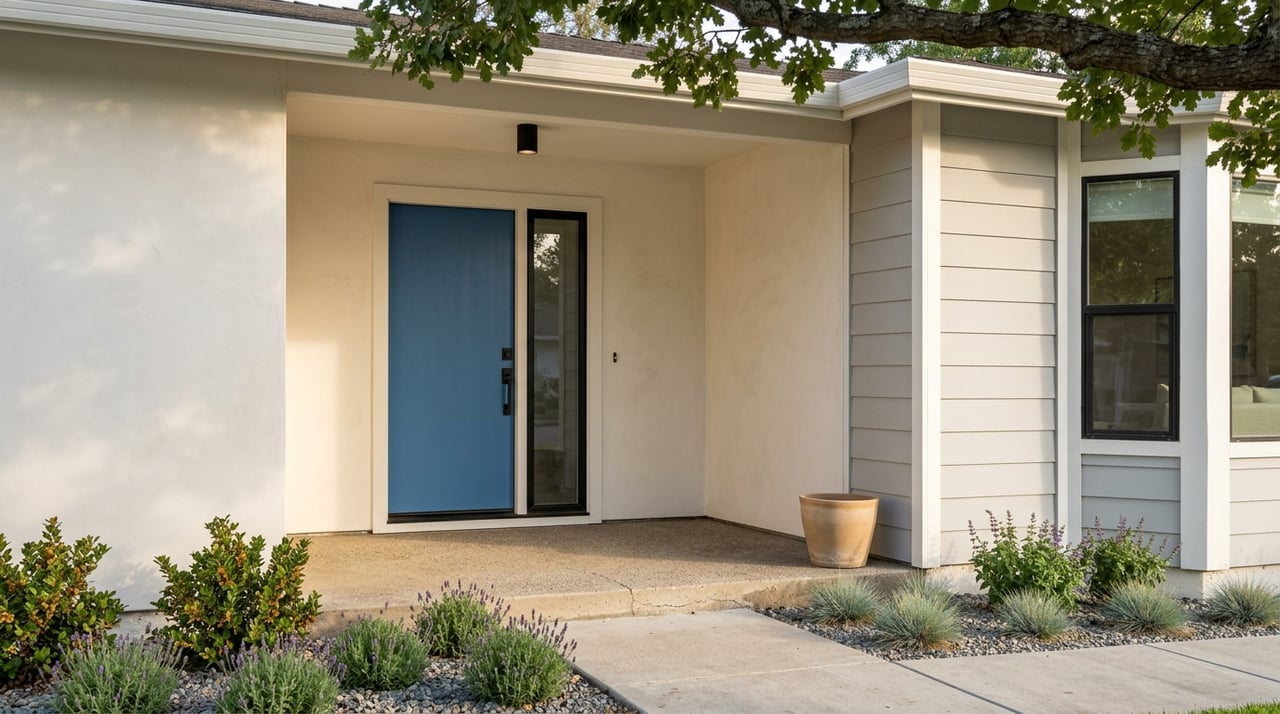
Thinking about trading bigger-city prices for easier access to trails, lakes, and a more manageable daily pace? Redding often comes up for exactly that reason, but a move here is about more than lower housing costs. You need to know how the heat feels, how different parts of town live day to day, and what your budget may really look like once utilities and other ownership costs are part of the picture. If you are considering a move to Redding, here is what to expect and how to make a smart plan before you go any further.
Redding is a city of about 94,092 residents spread across nearly 60 square miles, and it functions as a regional hub for retail, education, professional services, medical facilities, and government. That matters if you want a city that feels smaller than major California metros but still offers a broad mix of everyday services and employment options.
Its location also shapes the appeal. Redding sits about 160 miles north of Sacramento and roughly 230 miles north of San Francisco, which gives it some separation from the state’s biggest urban centers while still keeping you connected to the broader region.
For many buyers and renters, the biggest initial draw is cost. Census data shows a median owner-occupied home value of $382,300 in Redding and a median gross rent of $1,379, both well below California statewide figures.
Redding tends to feel more affordable than many other California cities, especially when you compare home values and rents. The median owner-occupied home value is roughly 48% below the state median, and median gross rent is about 32% lower than California overall.
That said, affordability is not the same as cheap. Median household income in Redding is $70,466, which is also lower than the statewide figure, so your own budget still matters a lot when deciding what will feel comfortable month to month.
For buyers, one of the more practical numbers is the city’s median monthly owner cost with a mortgage: $2,000. That can give you a more realistic starting point than sale price alone when you are thinking about your monthly payment.
You should also budget beyond the mortgage or rent. In Redding, summer cooling costs, insurance, irrigation, and wildfire-related planning can all affect your real monthly housing picture.
If you are moving to Redding from a cooler part of California, the weather may be the biggest lifestyle adjustment. NOAA climate normals show a mean annual temperature of 63.4°F, but the summer highs tell the real story.
July’s mean daily maximum is 99.9°F, and August’s is 98.1°F. In practical terms, that means air conditioning is not optional for most households, and your routines may shift toward early mornings, evenings, and shaded indoor time during the hottest parts of summer.
Winters are much milder than the summers are intense. Redding averages 33.52 inches of annual precipitation and only 2.6 inches of annual snowfall, with most of the rain concentrated in winter months.
That climate pattern shapes daily life. You are more likely to think about cooling, irrigation, and wildfire preparedness than snow removal or long winter weather delays.
One of the clearest lifestyle advantages in Redding is how easy it is to get outside. The city reports about 80 miles of paved and natural-surface trails, with the Sacramento River Trail serving as a major backbone that connects parks, residential areas, and open-space corridors.
The Sundial Bridge is one of the best-known local landmarks, but it is also part of everyday recreation. It links Turtle Bay with the river trail network, and access to the bridge and surrounding trails is free to the public.
If you like longer rides or walks, the Sacramento River Rail Trail adds another layer. The 11-mile paved trail north of town connects with the city-managed trail system, creating a long continuous route from the Sundial Bridge area toward Shasta Dam.
You are also close to larger recreation destinations. Whiskeytown National Recreation Area is about 16 miles from Redding and offers hiking, mountain biking, kayaking, waterfalls, and lake access, while Shasta Lake supports boating, swimming, fishing, camping, and more.
This outdoor access is a major quality-of-life perk, but it comes with seasonal realities. The city notes that wildfire smoke can sometimes force closures at the Redding Aquatic Center when conditions are unsafe, which is a useful reminder that late-summer air quality can affect outdoor plans.
Redding is not defined by one dominant industry. The local economy is better understood as a regional service center, with the city highlighting retail, education, professional services, medical facilities, and government as major pillars.
That broad base can be helpful if you want a market with a range of employment types rather than a single-industry town. According to Bureau of Labor Statistics data for the Redding metro area, the largest employment groups include office and administrative support, healthcare support, and sales.
The area’s mean hourly wage was $30.84 in May 2024, which was below the national average of $32.66. For movers, the practical takeaway is that Redding may offer a better housing-cost picture than many California markets, but you should still line that up carefully with your income and career path.
One of the most important things to know before moving to Redding is that neighborhood choice can strongly shape your day-to-day experience. The city’s General Plan 2045 organizes Redding into four broad community-character areas: Central and West Redding, East Redding, Dana Drive and Northeast Redding, and South Redding.
That does not mean each area fits one simple label, but it does give you a helpful framework as you start narrowing your options. In general, older central areas and newer growth areas often offer very different housing types, street patterns, and neighborhood feel.
Central and West Redding includes older, more established parts of the city. Planning and redevelopment materials point to areas such as Downtown, Riverfront, Magnolia, California-Trinity, Garden Tract, and Parkview as places of focus or special interest.
If you are drawn to older housing stock, infill development, and a more urban or walkable feel near downtown or the river corridor, this part of Redding may be worth a closer look. Downtown is in an active revitalization phase with hundreds of new residential units, while several nearby neighborhoods are among the city’s older development patterns.
East Redding, especially around Enterprise, tends to read more suburban in the city’s planning documents. The city highlights Enterprise Park on this side, and newer projects such as The Peaks subdivision include features like a neighborhood park, biking and walking trails, and more contemporary neighborhood design.
If you want newer construction or planned neighborhood amenities, East Redding may line up more closely with that goal. It can be a useful area to explore when you want a more recently built residential setting.
Dana Drive and Northeast Redding are identified separately in the General Plan, which suggests this is its own growth corridor rather than simply an extension of the older core. For buyers, that can mean a different mix of housing, commercial access, and development patterns depending on exactly where you look.
This is the kind of area where local guidance matters. A broad map view only tells part of the story, and your commute, home style preferences, and budget will shape whether this part of town makes sense for you.
South Redding is also its own community-character area, and the city’s South Market Street focus area points to a mix of existing neighborhoods and future opportunity sites. That combination can appeal to buyers who want to watch how an area may continue evolving over time.
As with the rest of Redding, the best fit depends on your priorities. Some buyers care most about home age, others about access to services, and others about finding the right balance between price and neighborhood feel.
A smart move to Redding starts with matching your lifestyle to the part of town that supports it best. Instead of only searching by price, think about how you want your average Tuesday to feel.
Ask yourself questions like:
When you answer those questions early, your search gets much more focused. You stop chasing every listing and start evaluating which part of Redding actually fits the life you want to build.
Redding offers a mix that is hard to ignore if you want more space, lower housing costs than much of California, and close access to outdoor recreation. It is a regional service hub with a practical day-to-day rhythm, a wide trail network, major water recreation nearby, and neighborhood options that range from older central-city areas to newer suburban growth.
The tradeoff is that you need to be ready for very hot summers and the real-world planning that comes with them. If you go in with clear expectations about climate, costs, and neighborhood differences, Redding can make a lot of sense for buyers and renters looking for a more manageable California lifestyle.
If you are weighing a move to Redding and want local guidance on neighborhoods, pricing, or the type of home that fits your goals, Upside Real Estate (CA) can help you build a plan that feels grounded, practical, and specific to the way you want to live.
Stay up to date on the latest real estate trends.

You’ve got questions and we can’t wait to answer them.