Buying Country Properties With Outbuildings In Durham
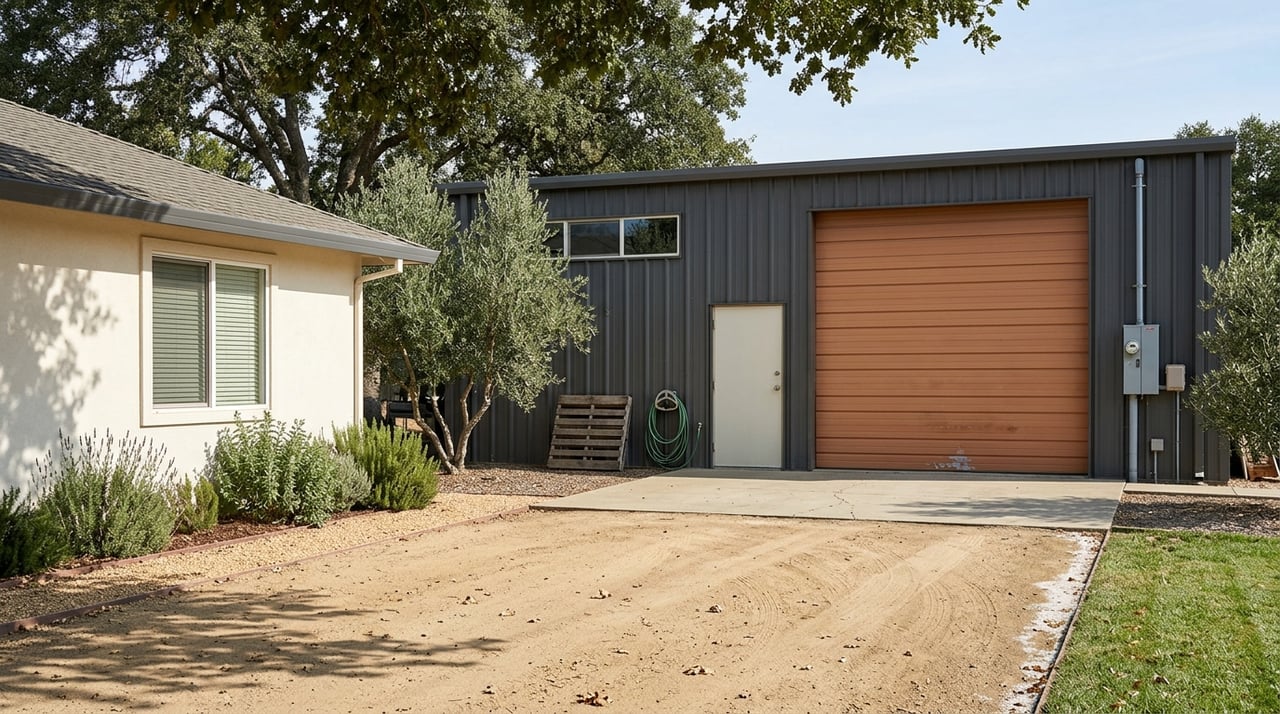
If you are dreaming about a Durham property with a barn, shop, or extra storage, the land itself is only part of the story. In this part of Butte County, two properties can look similar online but work very differently once you dig into zoning, water, septic, and outbuilding rules. This guide will help you understand what to check before you buy so you can move forward with more confidence. Let’s dive in.
Durham is an unincorporated community in Butte County, just south of Chico. Local planning documents describe a more urban core surrounded by agricultural land, and county zoning in the area limits major growth. That helps explain why Durham often feels like a mix of small residential pockets and true rural acreage.
That mix shows up in the parcel sizes you will see on the market. Current listings in Durham range from about a quarter acre to more than 24 acres, with many examples in the 1- to 8-acre range and some much larger tracts. In practical terms, that means not every “country” listing functions the same way.
Some homes may offer a little extra elbow room but still behave like residential properties with tighter limits. Others may support hobby farming, animals, larger barns, or more agricultural use. When you are buying in Durham, the exact parcel size matters, but the zoning matters just as much.
Before you fall in love with a barn or start planning a future shop, check the parcel’s base zone and any overlay zones. Butte County assigns each parcel a base zone and sometimes overlay zones that can affect what is allowed and how structures are placed. These rules can shape everything from minimum lot size to building height and setbacks.
In Durham, rural residential zoning can support uses that many country-property buyers want. Depending on the zone, uses may include animal grazing, crop cultivation, private stables, and on-site agricultural product sales. That is part of what makes some Durham properties suitable for hobby farming or small-scale agricultural living.
Still, you should not assume every larger lot allows the same uses. Butte County’s FR zone can range from 1 to 40 acres, RR ranges from 5 to 10 acres, RCR is 10 acres, and FCR is 20 acres. Agricultural zones can range from 20 to 160 acres, so a property’s label as “rural” does not tell you enough on its own.
A parcel may also have overlay zones tied to issues like airport compatibility, deer herd migration, or military airspace. These overlays can change what is possible for future improvements or add another layer of review. That is why parcel-level due diligence is so important for country properties.
If you are considering adding another structure later, you will want to verify those details early. A shop, stable, greenhouse, or storage building may be possible, but the county rules for that exact parcel will decide the answer.
Outbuildings are one of the biggest reasons buyers shop for Durham country properties. You may want a barn for animals, a detached shop, equipment storage, or a flexible building for rural living. In Butte County, these structures are often possible, but they are not automatic.
The county’s accessory-structure rules specifically list barns on parcels of one acre or more as an example of an accessory structure. The same rules say accessory structures cannot exceed a cumulative total of 25 percent of the parcel size. There is also a maximum height of 25 feet, and rear setback requirements can change depending on the structure’s height.
For example, structures that are 15 feet tall or less may have a 5-foot rear setback. Taller structures may need to meet the same rear setback as the main house. That can make a big difference if you are buying a parcel because you expect to add a large shop later.
Even a small shed can create issues if it was added without following the rules. In Butte County, a one-story detached accessory structure like a tool or storage shed may not need a building permit if it is 120 square feet or smaller. But it still has to meet zoning setbacks, and any utilities serving that structure still require permits.
That means buyers should look beyond whether a seller calls something “just a shed.” If it has power, water, or was placed too close to a property line, it may deserve a closer review.
For larger barns, livestock shelters, greenhouses, grain silos, and stables, Butte County generally requires plan review and permits. County checklists also call for review by Planning, Environmental Health, Public Works, and CAL Fire. A site plan may be required to show lot lines, setbacks, easements, utilities, and both new and existing structures.
If a property already has several outbuildings, you will want to confirm they were permitted and inspected when required. If you plan to add more later, it is smart to confirm that parcel coverage, setbacks, and height rules still leave room to do it.
For country properties in Durham, utilities are rarely as simple as flipping on lights and moving in. Water service can vary by parcel, and wastewater planning matters because the area does not have a public sanitary sewer system. Those two facts alone can shape your buying decision.
Durham Irrigation District serves the unincorporated community and surrounding area, but its service area is limited. The district reports about 489 acres in its service area with roughly 470 service connections, and state drinking water records identify groundwater as the primary source. For buyers, that means one parcel may have district water while another may depend on a private well.
You should verify exactly how a property is served before closing. If the property uses a private well, Butte County Environmental Health says wells must be drilled and constructed under permit, and the department handles permitting for domestic and agricultural wells.
Because the Durham area does not have public sanitary sewer service, onsite wastewater systems are a key issue. County materials note that the lack of sewer restricts the creation of smaller parcels or multiple dwellings on already developed parcels. For buyers, that means septic capacity and system condition can affect both current use and future plans.
Butte County Environmental Health also reviews wastewater design and installation, well siting, land divisions, use permits, and other projects involving septic systems and wells. The county says it is updating local rules and guidance for wells and septic through 2028, so it is wise to confirm current standards during escrow.
PG&E serves the Durham area, so electric service is generally part of the local utility picture. Still, buyers should confirm where the meter is located, whether service capacity fits the property’s use, and whether any shops or barns have legal power runs. If you plan to run equipment, refrigeration, or heavy tools, service capacity becomes even more important.
A Durham country property can offer space, flexibility, and a different pace of life. It can also come with responsibilities that are easy to underestimate if you are used to more conventional in-town homes. This is one of the biggest reasons local guidance matters.
Because Durham is surrounded by active agriculture, Butte County’s Right-to-Farm ordinance is important. The county requires disclosure for land adjacent to agricultural land, which it defines as within 300 feet. The ordinance also says properly conducted agricultural operations are not considered a nuisance.
That means you may need to expect noise, odors, dust, smoke, insects, machinery activity, manure storage, and fertilizer or pesticide application nearby. For many rural buyers, that is part of the appeal of living in an agricultural area. Still, it is better to know that upfront than be surprised later.
Fire planning is another major issue when buying country property with outbuildings in Butte County. County materials note that the area includes both State Responsibility Area and Local Responsibility Area lands. If a property is in State Responsibility Area, California rules on emergency access and annual defensible space around structures may apply.
That matters not only for the house, but also for barns, shops, and other structures. Access, vegetation management, and ongoing maintenance can all affect how usable and manageable a property feels after closing. It can also influence your budget and planning.
Before you buy, verify whether the parcel is in a fire-prone area and what that means for maintenance expectations. Country properties often require a more active approach to land stewardship than standard suburban homes.
If you are buying larger acreage, ask whether the parcel is enrolled in a Williamson Act agricultural preserve. Butte County says land in a preserve is restricted to farming for a 10-year period and is assessed using income capitalization. That often means a preferential value lower than unrestricted land.
This can be a meaningful tax consideration for some buyers. It can also limit certain future nonagricultural plans, so it is important to understand whether that status aligns with how you want to use the property.
Country property purchases usually go better when you ask specific questions early. In Durham, these are some of the most important ones to cover:
Buying a Durham property with outbuildings is rarely just about square footage and price. You are also buying into a set of land-use rules, utility realities, and long-term maintenance responsibilities that can vary from one parcel to the next. That is why local context matters so much.
At Upside, we know that rural and atypical properties need a more careful, property-specific approach. If you are comparing acreage, barns, shops, or hobby-farm potential in Durham, working with a local team can help you ask better questions before you commit. When you are ready to explore Durham country properties or make sense of a specific parcel, connect with Upside Real Estate (CA).
Stay up to date on the latest real estate trends.

You’ve got questions and we can’t wait to answer them.